Youth workers from seven European countries started ECO-ENTREPRENEUR in Spain with team-building, green reflection and non-formal learning.
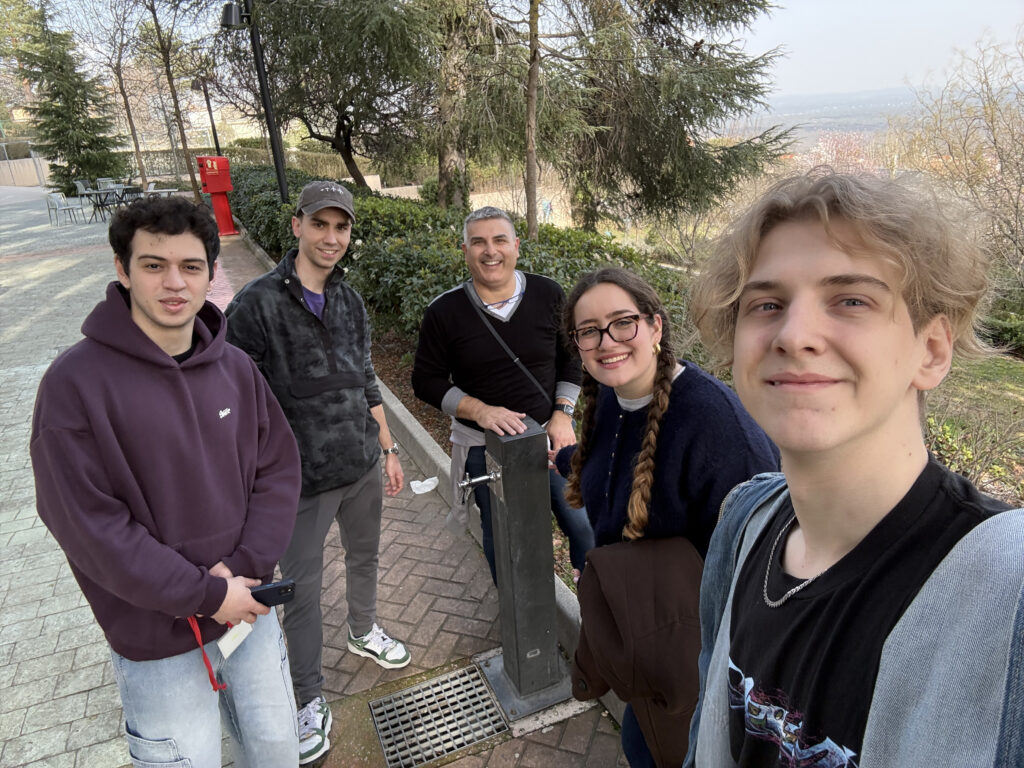
From 1 to 7 March 2026, San Lorenzo de El Escorial became a European meeting point for youth workers, facilitators and partner organisations committed to sustainability, green entrepreneurship and youth empowerment.
The first training day of ECO-ENTREPRENEUR: Young Innovators for Sustainability focused on something essential: creating a strong, inclusive and safe learning group.
Before working on circular economy, sustainable business models or green mentoring, participants needed to build trust. This was especially important because the project brought together people from seven European countries, each with different experiences, professional backgrounds and local realities.
The day started with a welcoming session and a clear presentation of the project objectives. Participants explored the purpose of the Erasmus+ KA153 mobility, the expected learning outcomes and the role of youth workers as multipliers in their communities.
Together, the group also agreed on shared values for the week: respect, active participation, inclusion, intercultural learning, environmental responsibility and cooperation.
One of the first activities was Human Bingo, a non-formal education exercise designed to help participants interact naturally and discover common interests. This was followed by different team-building dynamics that supported communication, group cohesion and trust.
A key moment of the day was Green Speed Dating. Through short conversations, participants exchanged views on sustainability, climate challenges and the role of young people in the green transition. This activity showed that environmental problems may look different from one country to another, but many concerns are shared across Europe.
Later, the group worked on a collective brainstorming activity: “What is eco-entrepreneurship?” Participants explored the concept from different angles, connecting it with business, social innovation, community development and environmental protection.
The day ended with Eco-Explorer, an outdoor activity that invited participants to observe the local environment and identify sustainable and unsustainable practices around them. This helped connect the training topic with real life and encouraged participants to look at their surroundings with a more critical and solution-oriented mindset.
The final reflection circle helped participants process the day, share feelings and identify their first learning outcomes. By the end of Day 1, the group had created the foundation for a productive, inclusive and meaningful Erasmus+ learning experience.