The final training day of ECO-ENTREPRENEUR focused on reflection, evaluation and future action.
After five intense days of learning, cooperation and practical work, participants were invited to think about one essential question: how will this experience continue after the mobility?
The day began with Letter to My Future Self, a reflective activity where participants wrote personal messages about their learning, goals and commitments. This helped them identify what had changed during the week and what they wanted to apply in their professional and local contexts.
The next session, From Learning to Action, was one of the most important parts of the project. Participants developed concrete follow-up plans to transfer the learning to their own communities.
Some participants planned local workshops on circular economy. Others focused on mentoring young people with green business ideas, sharing tools with their organisations, creating awareness campaigns or developing new Erasmus+ cooperation ideas.
This session was directly connected with the impact of the project. ECO-ENTREPRENEUR was not designed as a one-week training with no continuation. Its purpose was to strengthen youth workers as multipliers who can support young people beyond the mobility.
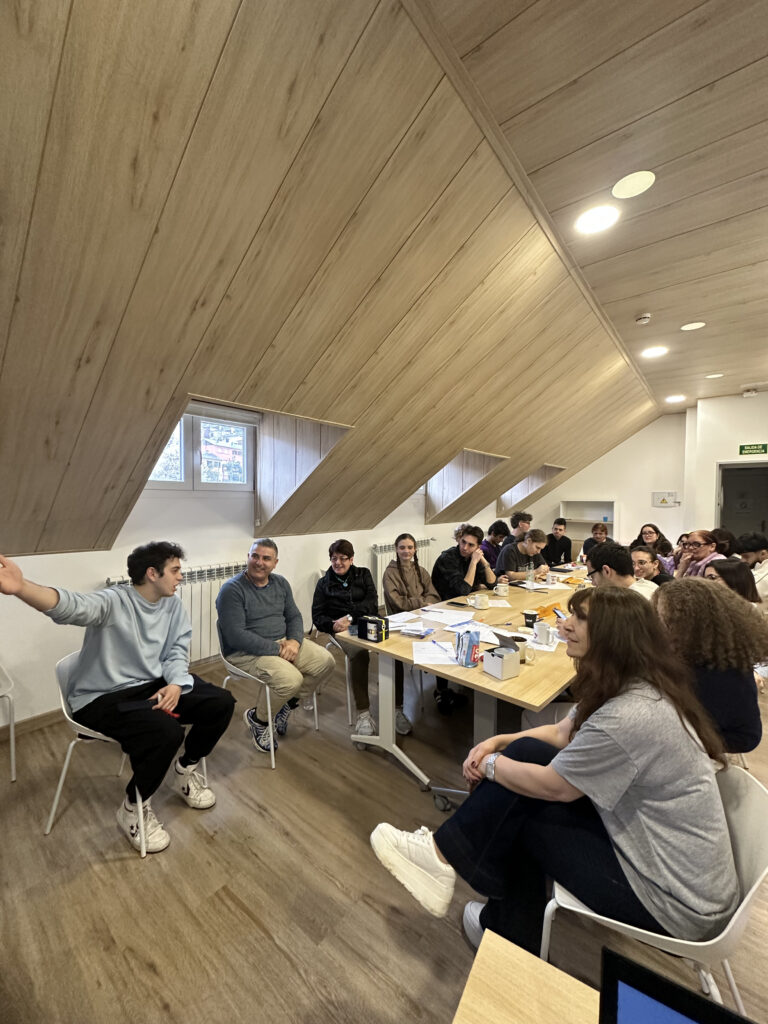
The group also took part in the final reflection activity: One Thing I Take Away. Each participant shared one meaningful learning point from the week.
The answers showed the diversity of the experience. Some participants mentioned the Eco-Business Model Canvas. Others highlighted public speaking, circular economy, intercultural cooperation, mentoring tools or the motivation to support young people in becoming green changemakers.
Evaluation was also an important part of the day. Participants reflected on the methodology, learning outcomes, group process and practical usefulness of the training. This feedback helped assess how the activity contributed to the objectives of the project.
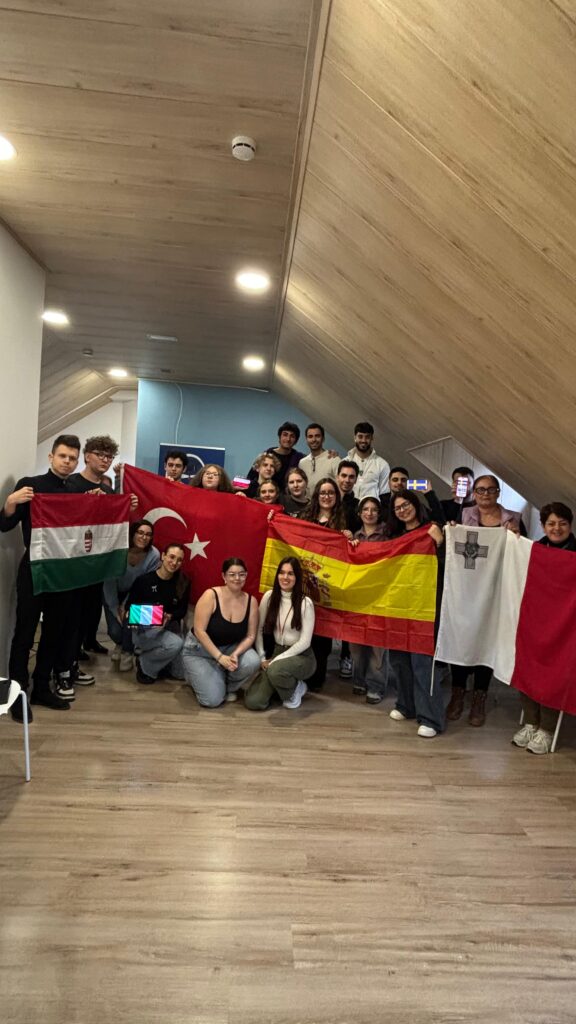
The day ended with a closing ceremony and the recognition of learning outcomes through Youthpass. Participants identified competences developed during the training, including communication, entrepreneurship, teamwork, intercultural awareness, civic engagement and learning to learn.
In line with the sustainability values of the project, certificates were projected during the ceremony and shared digitally afterwards. This reduced unnecessary paper use and showed that sustainability can also be reflected in small organisational choices.
By the end of ECO-ENTREPRENEUR, participants left San Lorenzo de El Escorial with new tools, stronger networks and concrete action plans. The training ended, but its impact was designed to continue through local activities, mentoring and future cooperation.